
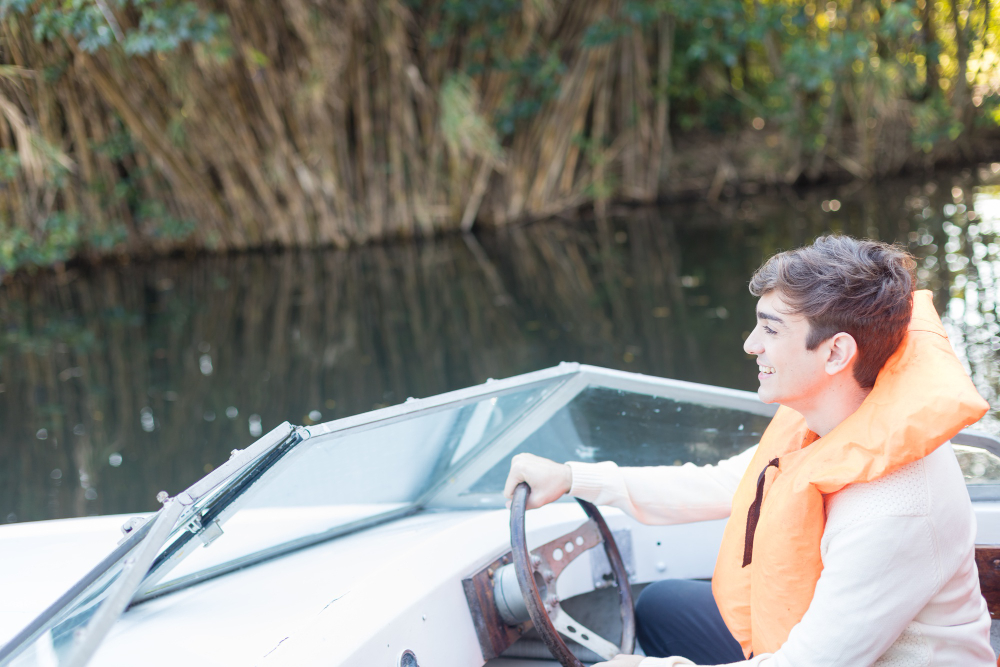
Airboat rides in Orlando, Florida are hands down the most exciting way to explore the headwaters of the Florida Everglades, and locals know that winter is the absolute best time to go. While the tourists crowd into the theme parks during the sweltering summer months, savvy residents head to the water when the humidity drops and the wildlife wakes up. If you've been waiting for the perfect weekend to get out on Lake Toho, this is your sign.
How Does Winter Weather Improve the Ride?
Orlando winters offer an average high of 72°F in January, creating the perfect conditions for an outdoor adventure without the suffocating heat of summer. During the cooler months (November through March), you can enjoy a 60 or 90-minute airboat tour without sweating through your clothes or dodging daily afternoon thunderstorms. The lower humidity makes the air clearer, providing visibility for miles across the marsh.
In our years serving Central Florida, we’ve learned that residents often avoid outdoor activities in August for obvious reasons. But come December, the weather is gorgeous. The distinct lack of mosquitoes is another huge plus. In summer, the bugs can be relentless near the marshes, but the cooler winter nights keep the insect population in check. You get all the beauty of the Florida wetlands without needing to bathe in bug spray first.
It’s not just about comfort, though. The weather dictates the behavior of the entire ecosystem. When the water temperatures drop, the vegetation dies back slightly, opening up viewing lanes that are clogged with hydrilla or tall sawgrass during the growing season. This means our captains can navigate into tighter spots and show you hidden pockets of the lake that remain inaccessible during the summer rains.
What Wildlife Can You See on Winter Airboat Tours?
You will see more alligators in winter because they are cold-blooded (ectothermic) and must sunbathe on the riverbanks to regulate their body temperature. In the summer heat, gators spend most of their time submerged in the cooler water or hiding in the shade, often making them invisible to untrained eyes. But when the air temp hits the 60s or 70s, you’ll spot 10-foot bull gators hauling themselves onto the mud to soak up the UV rays.
Our captains always say that winter is the "sunning season." It’s common to see a dozen or more alligators on a single trip, lying completely still with their mouths open. This isn't aggression; it's just how they release excess heat once they've warmed up. For photographers and nature lovers, this is the jackpot. You get clear, unobstructed views of these massive reptiles right on the shoreline.
Beyond the gators, winter is prime time for birding. Migratory birds fly south to escape the freezing northern states, turning Central Florida into a temporary sanctuary. You might spot American White Pelicans, which are significantly larger than our year-round Brown Pelicans, or flocks of colorful ducks that aren't here in July. According to the Florida Fish and Wildlife Conservation Commission, Florida is one of the top birding destinations in the world during these months [1].
Are the Crowds Smaller in Winter?
Winter crowds at the airboat launches are generally smaller and more relaxed compared to the chaotic spring break and summer vacation rushes. While the theme parks are packed with holiday travelers, the eco-tourism side of Orlando often sees a shift toward a more local, laid-back crowd. This means you can often book your preferred time slot without needing to reserve weeks in advance.
However, "less crowded" doesn't mean empty. Because the weather is so nice, weekends can still fill up with locals from nearby neighborhoods like Lake Nona and Narcoossee who want to get on the water. We recommend booking your Switchgrass Outfitters tour at least a few days out, especially if you want a sunset slot.
The vibe on the water is different, too. With fewer boats buzzing around Lake Tohopekaliga (Lake Toho), the animals are less skittish. We can often cut the engine and drift silently near a cypress head, listening to the sounds of the marsh without the roar of other engines in the background. It’s a peaceful, authentic Florida experience that gets lost when the waterways are jammed with traffic in July.
Why Do Locals Choose Switchgrass Outfitters?
Locals choose Switchgrass Outfitters because we don't just offer a ride; we provide a masterclass in the local ecosystem led by captains who grew up on these waters. We limit our boat capacity to ensure everyone has a front-row seat, unlike the massive "bus" boats you see at tourist traps. Safety is our priority, which is why we provide high-quality ear protection and life jackets for every guest, from toddlers to grandparents.
In our experience, the difference between a good tour and a great one is the guide. Our captains hold US Coast Guard licenses and have spent thousands of hours navigating the shifting channels of Lake Toho. They know exactly where a particular 12-foot gator likes to sleep or where the Bald Eagles are currently nesting. We aren't just driving in circles; we're tracking wildlife in real-time.
We offer several tour options to fit your schedule:
- 90-Minute Day Tours: Our most popular option for maximum wildlife viewing.
- Sunset Tours: Perfect for couples looking for a stunning backdrop.
- Private Tours: Rent the whole boat for your family reunion or corporate outing.
Costs vary based on the package, but you can generally expect to pay between $50 and $75 per person for a high-quality, small-group experience. That includes the headset rental so you can hear the captain's commentary clearly over the fan.
What Should You Wear on a Winter Airboat Ride?
Wear layers, including a windbreaker or heavy jacket, because the wind chill on an airboat moving at 30 mph makes 60°F feel like 45°F. It’s easy to look at the thermometer, see "70 degrees," and think a t-shirt is fine. But once that prop starts spinning and we get up to speed across the open water, the temperature drops fast. Long pants and closed-toe shoes are also a smart move.
We recently had a group from St. Cloud who showed up in shorts during a January cold front. They were shivering five minutes in! We always keep a few extra blankets on board just in case, but you'll have a much better time if you dress like you're going for a brisk autumn hike rather than a day at the beach.
Sunglasses are another must-have, regardless of the temperature. The winter sun hangs lower in the sky, creating a glare off the water that can be blinding in the late afternoon. Polarized lenses are a game-changer here—they cut through the surface reflection, actually helping you see fish and turtles swimming beneath the water.
Where Are the Best Spots Near Kissimmee?
The best airboat rides launch directly onto Lake Tohopekaliga, known locally as Lake Toho, which borders Kissimmee and is just a short drive from St. Cloud. This 22,700-acre lake is famous worldwide for its bass fishing, but its shallow marshes are also the heart of the Central Florida Everglades headwaters. Unlike the man-made canals you might find elsewhere, this is wild, untamed Florida.
Living near landmarks like the Kissimmee Lakefront Park or the loop in Osceola County, you know that urban development is creeping in fast. But out on the water, it still looks the way it did 100 years ago. We take you past ancient cypress trees draped in Spanish moss and through fields of spatterdock (lily pads) that stretch to the horizon.
During the winter, the water levels in the Kissimmee Chain of Lakes are essentially managed for flood control and environmental health [2]. These fluctuating levels create diverse habitats. One minute you're in open water, and the next you're sliding over a few inches of mud and grass. It’s a visceral, high-speed connection to nature that you can’t get from a boardwalk.
Ready to Book Your Winter Adventure?
Don't let this beautiful weather pass you by without seeing the real Florida. The alligators are out, the birds are flying, and the humidity is finally gone. At Switchgrass Outfitters, we're ready to show you why winter is the undisputed king of airboat seasons.
Spots fill up fast on weekends, especially when the weather forecast looks perfect. Call us at (321) 900-2494 or visit our booking page to secure your seat. Mention this blog post for a resident discount on weekday tours!
References:
[1] Florida Fish and Wildlife Conservation Commission - Birds
https://myfwc.com/conservation/value/fwcg/wildlife/birds/
[2] South Florida Water Management District - Kissimmee Chain of Lakes
https://www.sfwmd.gov/recreation-site/kissimmee-chain-lakes-wildlife-management-area-west-shore