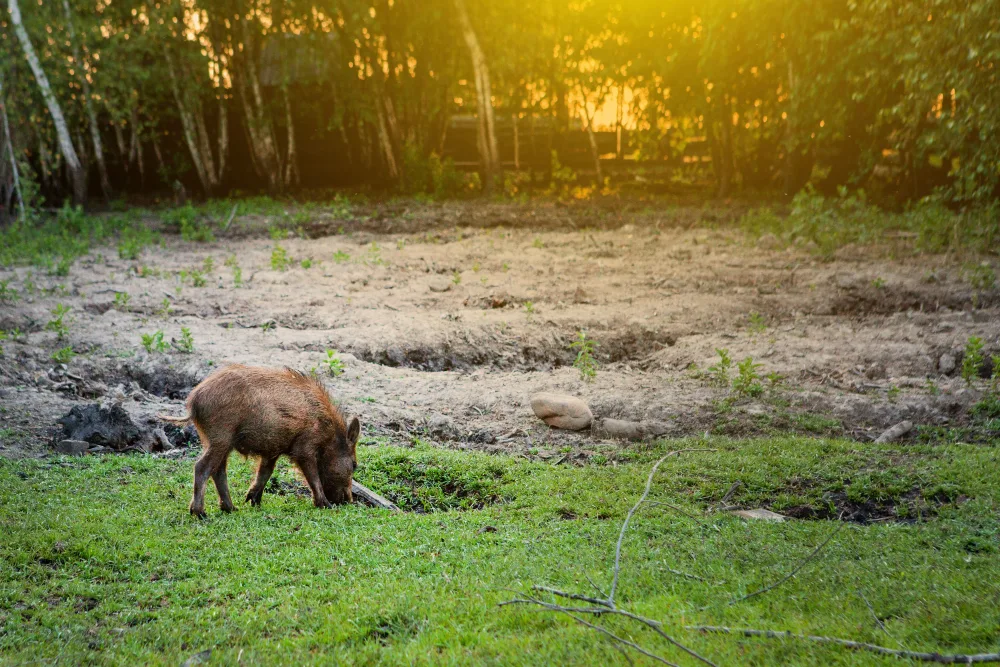
Feral hogs are one of the most destructive invasive species in the United States, causing billions of dollars in damage annually. Their rapid reproduction and voracious appetites wreak havoc on agriculture, native wildlife, and natural ecosystems. While various control methods exist, regulated hunting has emerged as a critical and effective tool for managing these populations.
This post explores the significant impact of feral hogs and explains why hunting is a vital part of modern conservation efforts. We will look at the ecological damage caused by these animals and how responsible hunters play a key role in protecting Florida's natural heritage. Understanding this relationship is crucial for anyone interested in wildlife management and the outdoors.
The Feral Hog Problem in Florida
Florida's warm climate and diverse habitats create an ideal environment for feral hogs to thrive. Originally introduced by Spanish explorers in the 16th century, these animals have since established large, destructive populations across the state. With few natural predators and an astonishingly high reproductive rate—a single sow can produce multiple litters per year—their numbers can quickly spiral out of control.
The ecological consequences are severe. Feral hogs are opportunistic omnivores, meaning they eat almost anything. Their rooting behavior, where they use their powerful snouts to dig for roots, grubs, and tubers, destroys native vegetation and agricultural crops alike. This soil disturbance contributes to erosion, degrades water quality in nearby streams and wetlands, and can permanently alter the landscape.
Furthermore, feral hogs compete directly with native wildlife for food resources like acorns, which are a vital food source for deer, turkey, and black bears. They also prey on the eggs and young of ground-nesting birds, such as quail and turkeys, as well as reptiles and amphibians. This predation places additional stress on native species already facing habitat loss and other environmental pressures. The financial toll is just as significant, with the USDA estimating that feral hogs cause over $2.5 billion in damages and control costs across the nation each year.
Why Hunting is an Effective Control Method
Managing feral hog populations requires a multi-faceted approach, but hunting is an indispensable component of any successful strategy. While methods like trapping can be effective for removing small groups, hunting provides a scalable, efficient, and cost-effective way to reduce hog numbers over large areas.
Population Reduction
Consistent and targeted hunting pressure is essential for keeping feral hog populations in check. Because they reproduce so quickly, studies show that approximately 70% of a hog population must be removed annually just to keep the numbers from growing. Regulated hunting, including year-round seasons and generous bag limits like those in Florida, allows for sustained pressure that trapping alone cannot achieve. Guided wild hog hunts in Orlando, FL, provide opportunities for hunters to contribute directly to these control efforts in a structured and effective manner.
Economic and Recreational Benefits
Hog hunting also brings significant economic benefits to rural communities. Outfitters, guides, and local businesses that cater to hunters create jobs and stimulate local economies. For hunters, it offers a challenging and rewarding outdoor experience. The year-round season for hogs in Florida makes it an accessible activity for both seasoned and novice hunters looking to hone their skills while contributing to a conservation cause.
Data Collection for Wildlife Management
Hunters are often on the front lines of wildlife observation. Data collected from harvested animals—such as age, sex, and general health—provide wildlife biologists with invaluable information. This data helps agencies like the Florida Fish and Wildlife Conservation Commission (FWC) monitor population dynamics, track the spread of diseases, and make informed decisions about management strategies. By participating in hunts, individuals become active partners in the scientific process of wildlife conservation.
The Role of Ethical and Responsible Hunting
For hunting to be a legitimate conservation tool, it must be conducted ethically and responsibly. Ethical hunting is rooted in respect for the animal and the environment. This means adhering to all state and local regulations, practicing firearm safety, and striving for a quick, humane harvest.
Key Principles of Ethical Hog Hunting
- Know Your Target: Positive identification is crucial. Ensure you have a clear shot and are certain of your target to avoid injuring non-target animals.
- Make a Clean Shot: Practice with your firearm to ensure accuracy. A well-placed shot is the most humane way to harvest an animal.
- Respect Property and the Environment: Always obtain permission before hunting on private land. Leave the area cleaner than you found it, and pack out everything you bring in.
- Utilize the Animal: Feral hog meat is a lean and flavorful alternative to domestic pork. Whenever possible, hunters should make an effort to process and utilize the meat from their harvest, turning a control measure into a source of sustainable food.
Guided hunts play an important role in promoting these principles. Reputable outfitters ensure that all activities are conducted legally and ethically. They provide clients with the knowledge and support needed to have a safe, successful, and responsible hunting experience.
Get Involved in the Effort
Feral hog populations present a serious and ongoing threat to Florida's ecosystems and agricultural industries. Through regulated and ethical hunting, we have a powerful tool to manage their numbers, mitigate damage, and protect our state's natural resources. Every hunter who participates in a hog hunt becomes a steward of the land, playing an active role in a critical conservation mission.
If you’re ready to contribute to this important effort and experience one of the most exciting hunts Florida has to offer, professional guidance can make all the difference. For those interested in wild hog hunts in Orlando, FL, Switchgrass Outfitters provides expert-led excursions tailored to all skill levels. Our experienced guides will put you in the best position for a successful hunt while ensuring a safe and ethical adventure.
Contact Switchgrass Outfitters today to book your trip and become part of the solution to Florida’s feral hog problem.